

FILTER BY


ASSYST is proud to announce its recognition as a 2025 OrangeSlices Elev8 GovCon honoree. This prestigious award highlights our excellence in the competitive Federal GovCon marketplace, where delivering innovative solutions is paramount. This recognition reflects our commitment to fostering a culture that attracts top talent, partners, and clients.
The Federal GovCon sector continues to be one of the most complex and competitive marketplaces in the world. The consistent and long-term winners of today and tomorrow are those companies that understand they must not only bring to the table efficient and effective solutions but also a corporate culture that demonstrates their own excellence, making them a beacon for talent, partners, and clients.
ASSYST is honored to be included in a select list of federal government contractors who have been identified as #doingittherightway based on outstanding results in several key areas:
- Good Partner - in ways that go above and beyond to provide support, mentorship, engagement, collaboration, and bridge the divide, building one successful team to deliver for their client.
- Growing Your Talent - with a focus is on what is best for the individual.
- Philanthropy – that is driven by its team, by its focus, and by what is happening in the world and communities it works in.
- Exemplify Innovation – and are guided by principles that understand the status quo is not enough and they must demonstrate they are doing more and doing better.
- Industry Engagement – that includes multiple aspects including mentorship, giving of time or services, sharing of intel, will involve people from across the company and will be driven by a desire to give back.
- Inclusive and Diverse - finding ways to have those voices heard, for combining those personalities on shared efforts for the betterment of all involved.
- Sustainability Practices – demonstrating that everyone must do their part and they have identified and defined ways they can #dobetter for themselves and their government clients.
- Investment for the Sake of Betterment - putting money behind their commitment to improving the work environment and experience for both internal teams and as it relates to customer delivery.
These characteristics were defined as drivers to Elev8 GovCon and provide a major competitive edge, including higher levels of employee and customer engagement and loyalty, which translate into higher growth and profits. The companies recognized above, and the leaders guiding these teams forward understand what it takes and are models of #doingittherightway.
“Being named a 2025 OrangeSlices Elev8 GovCon honoree highlights our commitment to excellence and innovation. At ASSYST, we strive to deliver outstanding solutions while fostering an inclusive environment that empowers our associates and partners. This recognition inspires us to keep pushing the boundaries in the Federal GovCon sector.” — Joe Anderson, COO, ASSYST.
The official announcement is available here - https://orangeslices.ai/its-time-to-elev8-govcon-2025-edition-recognizing-those-government-contracting-companies-who-are-doing-it-the-right-way/
About OrangeSlices AI
OrangeSlices AI. Playful Name. Serious about Democratizing Data and Disrupting the GovCon Competitive Intelligence Market. The core mission for OS AI is to identify, share and create timely, actionable and responsible information and data products, tools, and resources that 1) are accessible to all organizations and their teams, small to large; 2) will assist Federal government and Industry IT and consulting leaders to more effectively identify and engage with each other; and 3) shine a spotlight on those leaders and companies that are #doingitright.

In today's rapidly evolving cybersecurity landscape, organizations face increasingly complex threats that require innovative solutions. One such solution is Security Orchestration, Automation, and Response (SOAR), which has emerged as a game-changer for cybersecurity operations.
SOAR integrates various security tools and automates repetitive tasks, enabling faster and more accurate incident responses. Its true strength lies in its ability to streamline workflows, allowing cybersecurity teams to focus on high-priority threats and strategic initiatives. By harnessing the power of SOAR, organizations can enhance their overall security posture and operational efficiency.
Enhancing Efficiency with Security Orchestration, Automation, and Response (SOAR)
Organizations that have embraced SOAR are experiencing notable benefits:
- Increased Efficiency: Automation of routine tasks allows security teams to respond to incidents more swiftly, concentrating on more complex threats that require human intervention.
- Enhanced Collaboration: SOAR fosters better communication among different security tools and teams, breaking down silos that often hinder effective threat response.
- Improved Data-Driven Decisions: SOAR enables organizations to make informed decisions based on real-time information by centralizing threat intelligence and automating data collection.

Key Strategies for Effective SOAR Implementation
- Integrate Diverse Security Tools: SOAR acts as the central nervous system for Security Operations Centers (SOCs), bringing together various security technologies, including Security Information and Event Management (SIEM) systems, Intrusion Detection Systems (IDS), and Threat Intelligence Platforms (TIP). This integration is crucial for maintaining a holistic view of the security landscape.
- Automate Incident Response: Implementing automated workflows, known as playbooks, can significantly enhance incident response times. For instance, automating phishing detection and response workflows can drastically reduce the time it takes to contain threats.
- Leverage Threat Intelligence: Centralizing and analyzing threat intelligence data allows organizations to stay ahead of potential risks. Effective use of threat intelligence helps agencies proactively identify vulnerabilities before they can be exploited.
- Continuous Monitoring and Evaluation: Organizations should track key performance metrics to assess the effectiveness of their SOAR implementations before and after. Metrics such as Mean Time to Detect (MTTD), Mean Time to Respond (MTTR), and user satisfaction scores provide valuable insights into operational performance. Once SOAR implementation is in place, periodic monitoring is necessary to ensure false negatives are in check.
Threat Intelligence Reporting for Incident Response and Service Recovery Preparation
Proactive threat intelligence reporting is essential for ensuring that organizations are prepared for incidents and can recover services swiftly. By integrating threat intelligence with incident response strategies, organizations can:
- Anticipate Threats: Regular reporting on emerging threats and vulnerabilities enables organizations to prepare their defenses.
- Streamline Incident Response: With timely and relevant threat intelligence, incident response teams can act more effectively, ensuring that incidents are managed efficiently.
- Enhance Service Recovery: A well-prepared organization can recover from incidents more quickly, minimizing downtime and maintaining service quality.

Managed SOC Services Enhancing Technology Investments
Managed Security Operations Center (SOC) services provide organizations with expert monitoring and management of their security technologies. By leveraging these services, organizations can:
- Maximize Technology Investments: Outsourcing SOC capabilities allows organizations to focus on core competencies while benefiting from advanced security technologies and expertise.
- Achieve 24/7 Coverage: Managed SOC services ensure continuous security monitoring, reducing the risk of overlooked incidents.
- Utilize Advanced Analytics: With access to specialized analytics tools, managed SOC teams can provide deeper insights into security events, enhancing overall situational awareness.
SOAR Stack Components
Understanding the foundational components of a SOAR solution can further aid agencies in optimizing their cybersecurity operations:
| SOAR Stack Components | Description | Applicable Standards |
| SIEM (Security Information and Event Management) | Centralized logging and event correlation platform. | - NIST SP 800-92: Guide to Computer Security Log Management - FISMA: Federal Information Security Management Act - CISA: Cybersecurity and Infrastructure Security Agency logging mandates |
| Incident Response Automation | Automates incident response processes such as threat containment and mitigation. | - NIST SP 800-61: Computer Security Incident Handling Guide - FIPS 199: Standards for Security Categorization of Federal Information and Information Systems - FedRAMP: Federal Risk and Authorization Management Program |
| Threat Intelligence Platform (TIP) | Centralizes and analyzes threat intelligence data from multiple sources. | - NIST SP 800-53: Security and Privacy Controls for Information Systems and Organizations (RA-5: Vulnerability Scanning) - EO 13636: Improving Critical Infrastructure Cybersecurity |
| Vulnerability Management | Identifies, evaluates, and mitigates security vulnerabilities. | - NIST SP 800-40 Rev. 4: Guide to Enterprise Patch Management Technologies - CMMC: Cybersecurity Maturity Model Certification Level 2 (RA.L2-3.11.1) |
| Endpoint Detection and Response (EDR) | Provides real-time endpoint monitoring and incident response capabilities. | - NIST SP 800-137: Information Security Continuous Monitoring (ISCM) for Federal Information Systems and Organizations - FISMA: Federal Information Security Modernization Act |
| Playbook Automation | Enables the automation of routine security workflows. | - NIST SP 800-61 Rev. 2: Computer Security Incident Handling Guide (Section 3: Incident Response Life Cycle) - FIPS 200: Minimum Security Requirements for Federal Information and Information Systems |
| User Behavior Analytics (UBA) | Detects anomalous user behavior based on established baselines. | - NIST SP 800-94: Guide to Intrusion Detection and Prevention Systems (IDPS) - NIST SP 800-53: AU-6 Audit Review, Analysis, and Reporting |
| Security Orchestration | Integrates multiple security tools to streamline processes. | - NIST Cybersecurity Framework (CSF): Secure software development practices are integrated (PR.PS-06) - NIST SP 800-53: SI-4: System Monitoring |
| Case Management System | Organizes and tracks security incidents for review and compliance. | - NIST SP 800-53 Rev. 5: IR-5 Incident Monitoring - ISO/IEC 27001: Information Security Management System (ISMS) |

ASSYST Capabilities: Enabling Effective Cybersecurity Solutions
At ASSYST, we enhance cybersecurity operations through innovative capabilities that complement SOAR implementations:
- Integrated Cybersecurity Solutions: Our comprehensive capabilities include SOAR, SIEM, Endpoint Detection and Response (EDR), and Threat Intelligence Platforms, ensuring seamless integration among organizations’ security tools.
- Cyber Risk Advisor as a Service (CRAaaS): Our proactive risk management service professionals offer continuous policy directives, assessment requirements, and strategic insights, empowering agencies to stay ahead of evolving threats.
- Security Data Lake and Security Data Fabric: These capabilities allow for the aggregation and analysis of vast amounts of security data, leading to informed decision-making and a proactive security posture.
- AI-Enabled Metadata and Conversational AI: Leveraging AI technologies enhances the relevance of threat intelligence and improves user engagement with our security solutions.
- Compliance Expertise: We help organizations navigate complex regulatory landscapes, ensuring that our solutions align with NIST, FISMA, FedRAMP, and RMF requirements.
Adopting innovative tools like SOAR is essential for organizations looking to strengthen their cybersecurity posture. By leveraging the capabilities offered by ASSYST, agencies can enhance their security operations, drive efficiencies, and ultimately protect against the ever-evolving threat landscape.
www.assyst.net/cyber

ASSYST is pleased to announce that we have won two new task orders under the Army ITES-3S IDIQ from Army Contracting Command, Aberdeen Proving Ground (ACC-APG), and the Redstone Arsenal, Alabama - Aviation and Missile Command (AvMC)
Under these contracts, ASSYST and its partners will provide robust systems and infrastructure support, enabling seamless video conferencing, teleconferencing, printing, real-time digital communication, and innovative collaboration solutions.
"As the prime contractor for ITES-3S, our focus is on delivering innovative technology and exceptional value to ensure the success of our service members," said Loren Gray, the Army Program Manager, ASSYST.
About Army CHESS ITES-3S IDIQ
ITES-3S offers decentralized ordering with no contract access fee charged to agencies awarding against it. The base ordering period of performance is from September 25, 2018, to September 24, 2023, with five option years. This contract is managed by the US Army’s Computer Hardware, Enterprise Software and Solutions (CHESS) program and Army Contracting Command, Rock Island (ACC-RI). Service Areas include Cybersecurity Services, Information Technology Services, Enterprise Design, Integration, Consolidation, Network/Systems Operation and Maintenance, Telecommunications/Systems Operation and Maintenance, Business Process Reengineering (BPR), IT Supply Chain Management, IT Education and Training.
ASSYST ITES-3S IDIQ Program Contacts:
Eugene Goldlust | LinkedIn
Loren Gray | LinkedIn
Tel: 703-230-3100
Email: ites3s@assyst.net
Cybersecurity Awareness Month 2024: ASSYST's Vision for a Resilient Digital Future

In recognition of Cybersecurity Awareness Month, ASSYST reaffirms its unwavering commitment to building and securing a resilient digital future for our customers, partners, and the broader community. As leaders in cybersecurity, we—Vinay Shirke, CIO, and Vijay Narasimhan, CTO at ASSYST—recognize the urgency and shared responsibility of safeguarding data, systems, and critical infrastructure in an increasingly interconnected and complex digital landscape. This commitment aligns with the Cybersecurity and Infrastructure Security Agency's (CISA) “Secure Our World” initiative."
Follow ASSYST OnPoint on LinkedIn to Read More
www.assyst.net/cyber

ASSYST is delighted to participate in and sponsor the CMS CyberWorks 2024 event.
Meet our Team


In recognition of Cybersecurity Awareness Month, ASSYST reaffirms its unwavering commitment to building and securing a resilient digital future for our customers, partners, and the broader community.
ASSYST brings over 30 years of experience delivering enterprise, innovative, and professional solutions to federal clients. As a CMMI Level 3 (DEV/SVC), ISO 9001, and ISO 27001 certified company, we continually refine our capabilities to support mission-critical systems that deliver secure and impactful citizen services. Our offerings include program and project management, human-centered design, system modernization, DevSecOps, cloud management, cybersecurity, data analytics, AI-driven solutions, and digital services.
ASSYST supports healthcare clients, including HHS, CMS, FDA, HRSA, PSC, ASTP/ONC, NIH, CDC, VA, and various state and local government agencies. Leveraging our Green Accelerator Platform, we provide specialized solutions like the Security Data Lake, Test Automation Framework Portal, ComplySyncAI for Cybersecurity ATO Compliance, Hephaestus for HL7® FHIR® Health Data Interoperability, and Collab AI for LLM and RAG-based document search and collaboration.
We also offer Information System Security Officer as a Service (ISSOaaS) and Cyber Risk Advisor as a Service (CRAaaS) to enhance security programs and operations. ASSYST drives innovation in healthcare, security, and digital transformation, empowering clients to excel in today’s complex digital landscape.
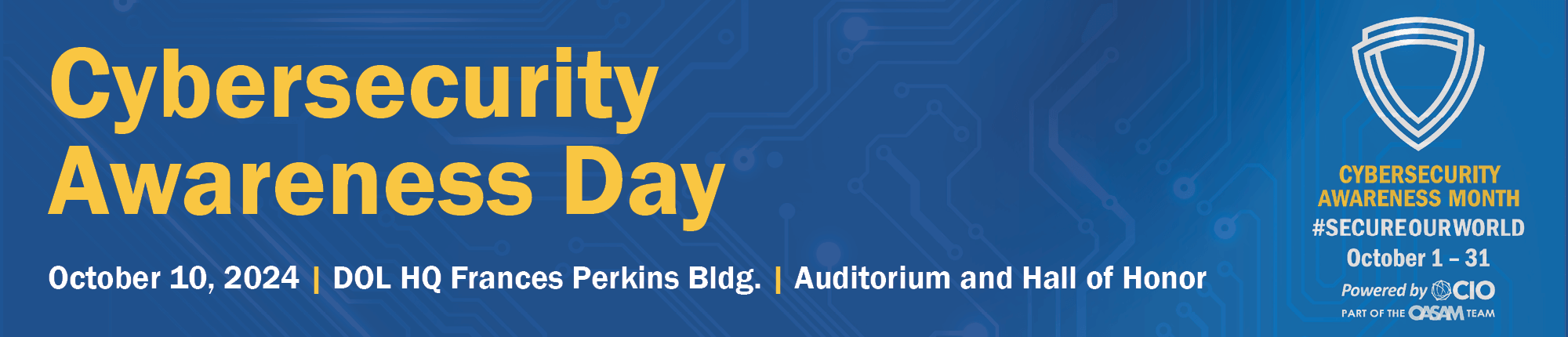
ASSYST is proud to announce its sponsorship of the upcoming Department of Labor (DOL) Cybersecurity Awareness Day on October 10, 2024, organized by the Federal Business Council (FBC).
Meet Our Team



In recognition of Cybersecurity Awareness Month, ASSYST reaffirms its unwavering commitment to building and securing a resilient digital future for our customers, partners, and the broader community.
ASSYST brings over 30 years of experience delivering enterprise, innovative, and professional solutions to federal clients. As a CMMI Level 3 (DEV/SVC), ISO 9001, and ISO 27001 certified company, we continually refine our capabilities to support mission-critical systems that deliver secure and impactful citizen services. Our offerings include program and project management, human-centered design, system modernization, DevSecOps, cloud management, cybersecurity, data analytics, AI-driven solutions, and digital services.
ASSYST supports healthcare clients, including HHS, CMS, FDA, HRSA, PSC, ASTP/ONC, NIH, CDC, VA, and various state and local government agencies. Leveraging our Green Accelerator Platform, we provide specialized solutions like the Security Data Lake, Test Automation Framework Portal, ComplySyncAI for Cybersecurity ATO Compliance, Hephaestus for HL7® FHIR® Health Data Interoperability, and Collab AI for LLM and RAG-based document search and collaboration.
We also offer Information System Security Officer as a Service (ISSOaaS) and Cyber Risk Advisor as a Service (CRAaaS) to enhance security programs and operations. ASSYST drives innovation in healthcare, security, and digital transformation, empowering clients to excel in today’s complex digital landscape.

In today’s rapidly shifting cybersecurity landscape, agencies face increasing pressure to protect their systems, maintain compliance, and manage risks while adapting to emerging threats. But how can organizations ensure they're equipped to meet these challenges without overwhelming their internal teams? This is where ASSYST Cyber Risk Advisor-as-a-Service (CRAaaS) steps in, offering expert guidance and strategic oversight to bolster an agency’s security posture.
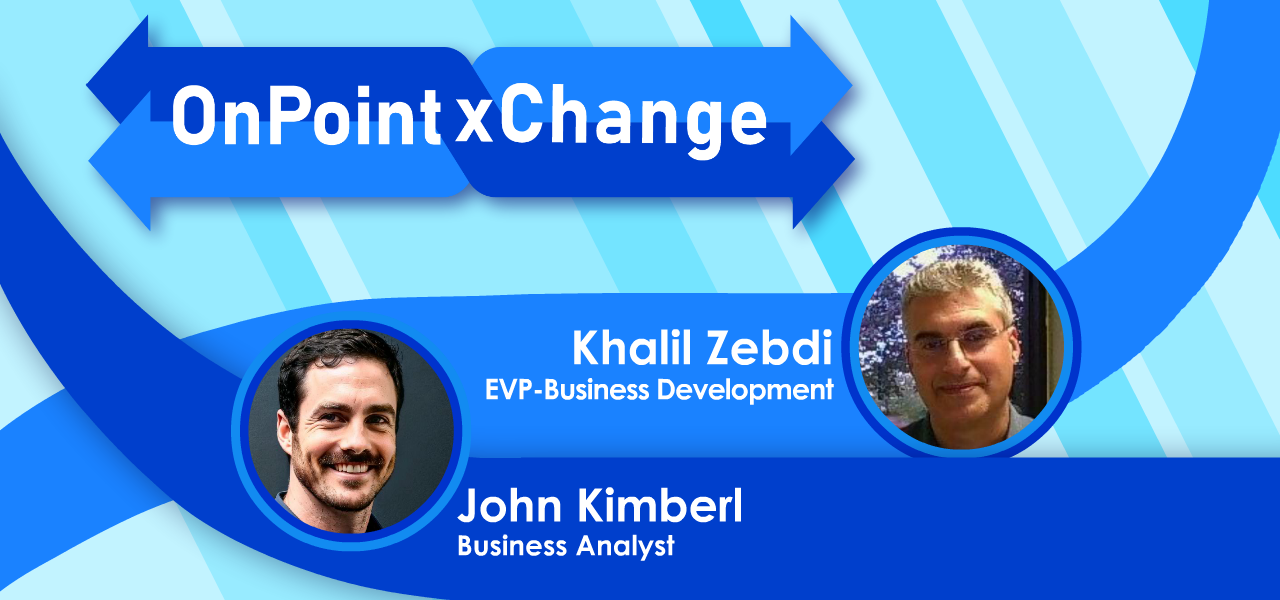
I am John Kimberl, a business analyst at ASSYST. I am joined by Khalil Zebdi, EVP of business development at ASSYST. Khalil has nearly three decades of Industry experience, including 15 years focused on large-scale cybersecurity programs for U.S. Federal Government Agencies. He’ll help us answer some of the most common questions about CRA-as-a-Service and how it can benefit organizations.

John Kimberl: Khalil, you’ve got nearly three decades of experience in IT, with the last 15 years laser-focused on large-scale cybersecurity programs for federal agencies. That’s pretty impressive. Can you tell us how ASSYST’s CRA-as-a-Service fits into that landscape and why it’s relevant now?
Khalil Zebdi: Thanks, John. You’re right—the cybersecurity landscape is evolving faster than ever, and agencies are feeling the pressure to keep up. That's where ASSYST’s Cyber Risk Advisor (CRA)-as-a-Service comes into play. We designed this service to help organizations navigate policy, compliance, privacy, and risk management challenges. It’s not just about putting out fires; it's about empowering agencies strategically to enhance their security posture. Our CRA service ensures they’re keeping up and staying ahead.
John: So what exactly does a Cyber Risk Advisor do? I mean, how do they differ from other security roles?
Khalil: Great question. Think of the CRA as a key part of the CISO’s team but with a broader view. They handle the RMF (Risk Management Framework) for multiple systems simultaneously, which is no small feat. They’re focused on the big security issues—policy, privacy, compliance, and operational integrity for FISMA systems. What’s unique about the CRA is its direct engagement with agency stakeholders and leadership, guiding them through security challenges and offering risk recommendations that align with NIST best practices. It’s not just about checking off boxes; they’re helping shape long-term strategies that influence day-to-day operations, from coordinating with cybersecurity experts to ensuring that software development and change management processes meet stringent cyber standards.
John: I see. So, how is CRA-as-a-Service different from ISSO-as-a-Service? They sound critical to an agency’s security, but what sets them apart?
Khalil: They’re both important, but their focus is different. CRA-as-a-Service is more strategic—it's about evaluating risks from a high level and improving the overall security posture. The CRA is a trusted advisor to leadership, providing risk recommendations that guide big decisions. On the other side, ISSO-as-a-Service is more tactical. The ISSO is on the front lines, managing compliance and ensuring that the day-to-day security controls and processes are implemented correctly. They’re more hands-on with executing tasks, whereas the CRA thinks about the big picture and how to steer the ship.
John: That makes sense. So, when it comes to expertise, what kind of knowledge does a CRA bring to the table?
Khalil: A CRA possesses rather unique expertise with regard to cyber operations, John. They deeply understand technical and policy aspects, honed through years working in government and compliance-heavy environments. They know their way around security controls, tools, platforms, and the RMF process. But it’s more than just technical know-how—they’re troubleshooters. They can independently assess, analyze, and resolve security issues, particularly those high-risk, persistent threats. A CRA isn’t just patching problems; they’re thinking about long-term solutions engaging with system owners, stakeholders, and development teams to ensure cybersecurity operations run smoothly and comply with federal regulations. The CRA provides the transition is secure as organizations move to the cloud or adopt new technologies.
John: It sounds like the CRA is pretty central to everything. How do they use the NIST Risk Management Framework (RMF) in their role?
Khalil: RMF serves as the backbone of the CRA role. They use it to guide risk assessments and manage information systems from start to finish. The CRA moves through each step of the RMF—categorization, control selection, implementation, monitoring—to ensure that every part of the security process aligns with federal standards and agency-specific policies. They’re not just following the RMF but orchestrating the entire process. They identify sensitive data, evaluate privacy impacts, and continuously review how effective those processes are. It's a constant improvement cycle to ensure the organization’s top-notch cyber practices.
John: I can see how crucial that is. How do CRAs collaborate with other roles, like ISSOs and system stakeholders?
Khalil: Collaboration is key. The CRA works hand-in-hand with ISSOs and system stakeholders, especially throughout the RMF process. They ensure that security controls are not only implemented but optimized. This collaboration helps ensure that the system’s security posture is continuously evaluated and improved in real time based on emerging threats and evolving compliance standards. The CRA also plays a critical role in advising leadership on addressing evolving risks, ensuring the organization stays ahead of the curve.
John: When assessing a system’s security posture, what exactly does the CRA do?
Khalil: The CRA conducts in-depth risk assessments, closely examining the system’s vulnerabilities. Based on their findings, they recommend to the CIO and CISO whether the system is ready for an Authority to Operate (ATO). This is critical because it’s not just about saying “yes” or “no.” The CRA ensures that all vulnerabilities are identified, risks are mitigated, and the system is fully protected before it moves forward for certification.
John: Got it. So, let’s talk about the benefits. Why should organizations invest in CRA-as-a-Service?
Khalil: It’s all about agility and expertise. With CRA-as-a-Service, agencies don’t need full-time staff to get top-tier risk analysis and recommendations. They can tap into our expertise as needed, which is cost-effective and efficient. Plus, the CRA isn’t just reacting to security issues—they’re proactively managing risks to prevent breaches. This service helps agencies avoid threats while ensuring compliance and regulatory standards are met. It also supports POA&Ms and long-term cybersecurity strategies, making it a well-rounded solution.
John: Finally, how can an organization scope CRA-as-a-Service effectively?
Khalil: The first step is to assess where you stand—look at your security posture and identify gaps. From there, set clear objectives, whether improving RMF compliance, obtaining ATO certification, or strengthening overall risk management. It’s important to bring in key stakeholders early and ensure the CRA is integrated into the RMF process. And, of course, success can be tracked through tangible metrics like improved audit outcomes, faster incident response times, and readiness for ATO. It’s all about aligning the service with your strategic goals to get the most out of it.

About ASSYST Cybersecurity Capabilities and Solutions
ASSYST provides cyber support services that help customers with portfolios of FISMA Systems to manage risks effectively and comply with regulations. Our services include risk management, policy and compliance, vulnerabilities, knowledge management, data management, project management, and talent management for CISOs and business leaders. Our Security Data Lake Solution harmonizes data and improves holistic threat intelligence through actionable insights. Our unique ISSO-as-a-Service (ISSOaaS) and SOC-as-a-Service (SOCaaS) connect you with adaptable security professionals who follow industry best practices to support your organization's Cyber Mission Assurance. ASSYST’s ComplySync ATO solution applies AI/ML and collaborative document intelligence to help agencies acquire Continous Authority to Operate (cATO) capabilities.
Our seasoned cyber security experts adhere to industry standards and best practices such as NIST CSF/RMF, PMBOK, ISO 27001/9001, HS2P2 guidelines, and Zero-Trust frameworks. We offer a Cyber Resilience Program with various engagement, education, and training initiatives for customer cyber experts, business owners, and cyber leadership. These initiatives help them discuss evolving trends, share their best practices based on experience, and grow their knowledge base through certifications.

Modernizing legacy systems while ensuring strict compliance and security is essential in today's fast-paced governmental landscape. In just six months, ASSYST delivered a federal agency's next-generation Personnel and Facility Access Tracking System by leveraging the Microsoft Power Platform and hosted within the Microsoft Government Community Cloud (GCC).
The result? Enhanced real-time collaboration across agencies, streamlined case management, Privacy Act System of Record, and improved data security and compliance.
The Challenge: A Legacy System with Modern Collaboration Needs
The agency managed foreign personnel and facility access across multiple locations using a 20-year-old outdated, siloed legacy system that couldn't efficiently support modern, cross-agency collaboration. They required the rapid development of a solution capable of:
- Automating Manual Processes: Access requests were manual, leading to bottlenecks.
- Cross-Agency Data Exchange: Fragmented systems hampered secure data exchange and slowed operations servicing 75 disparate client sites and other Federal law enforcement, intelligence, and counterintelligence agencies.
- Data Confidentiality and Availability: In compliance with the customer's records policies, the Federal Records Act, and policies associated with safeguarding records covered by the Privacy Act, migrating and validating historical, current, descriptive, and reference data was essential to supporting the customer mission.
- Reporting: Detailed, complete, and accurate reporting is critical to providing insight data in response to congressional requests, the Senate Select Committee on Intelligence, and the Counterintelligence communities.
- Single Sign-On: User identity and access rights will be authenticated with multi-factor authentication integrated with the customer's Enterprise Identity and Access Management (IAM) solution.
- Strict Compliance and Security: Given the sensitive nature of the data and high government standards, NIST 800-53, FedRAMP, OMB M-21-31 High Value Asset (HVA) System Advanced Event Logging (EL3), and Section 508 compliance were critical.

The Solution: A Low-Code Approach with Seamless Integration
To solve these challenges, ASSYST implemented an integrated solution using Microsoft Power Platform—a suite of low-code tools—including Power Apps, Power Automate, and SharePoint Online. These tools worked alongside Azure DevOps for a continuous integration/continuous delivery (CI/CD) pipeline, allowing the system to be fully developed, tested, and deployed in just six months.
- Agile, Shift-Left Methodology: Our shift-left Agile sprint methodology allowed us to accelerate defect detection and continuously integrate improvements throughout the development cycle.
- Backend API Development and Optimization: Extensive backend API development supported complex workflows across multiple facilities, with optimized data upload and download management to handle high data volumes. These APIs facilitated seamless communication between external site-specific systems and the new platform, enabling real-time access control and information sharing. An interface was also developed to access historical data from the previous legacy systems.
- Agency Identity Management Integration: Our team enhances the solutions by integrating a secure agency Enterprise Identity and Access Management (IAM) solution through Azure Active Directory (Azure AD). This will enable Role-Based Access Control (RBAC) and solution access using an agency-issued Personal Identity Verification (PIV) single sign-on with multi-factor authentication, ensuring that only authorized users can access the system and manage sensitive data. The solution will allow for automated provisioning, de-provisioning, and managing user identities across agencies, improving operational security. I
Key Technical Features: From Automation to Collaboration
ASSYST's solution was more than a system update; it was a technical overhaul that optimized the agency's handling of personnel and facility access.
- Power Apps for User Interface: Using a modular approach, we developed custom next-generation user interfaces (UI) in Power Apps to support different user roles (e.g., facility managers, personnel security, office of counterintelligence, and intelligence investigation officers), ensuring intuitive case management, enhanced user experience (UX), and real-time facilities access request updates.
- Automated Workflows with Power Automate: Using Power Automate, access requests were routed and approved in real time. Automated notifications and escalations ensured that approvals occurred without delays, minimizing bottlenecks.
- Secure Data Exchange and Inter-Agency Collaboration: The system enabled real-time collaboration across multiple facilities and agencies using Office 365 and SharePoint Online, breaking down data silos and ensuring secure data exchange. Azure AD will be integrated with the Enterprise IAM solution, providing identity management remains secure across all users.
- Reporting: Facility managers, personnel security, and investigation officers use reporting and personalized dashboards to gain actionable insights into personnel access patterns, trends, and anomalies. This reporting provides visibility into which personnel accessed specific facilities, improving operational efficiency, congressional reporting, intelligence, counterintelligence, and personnel security response.

Testing Center of Excellence
Quality and security are core to our delivery, so the system underwent rigorous testing using ASSYST's Testing Center of Excellence (TACoE), which provided a comprehensive testing suite that included:
- End-to-End Integration Testing: We ensured that the new platform was fully integrated with existing systems such as Office 365, SharePoint Online, and legacy databases.
- Performance and Load Testing: Verified the system's ability to handle large-scale data uploads/downloads and high access request volumes across multiple agencies and facilities.
- Interoperability and Compatibility Testing: Confirmed that the platform worked across different devices, browsers, and environments, facilitating seamless cross-agency usage.
- Section 508 Compliance Testing: Ensured the system was fully accessible to all users, including those with disabilities, meeting government accessibility requirements.
- Automated Testing: Accelerated testing cycles using automated test scripts, ensuring continuous quality through the CI/CD pipeline.
Value: Key Technical Outcomes
ASSYST's implementation of this low-code solution delivered significant technical and operational benefits:
- Automated Access Control: The automated workflows reduced manual intervention and improved operational efficiency, reducing access request approval times by 70%.
- Seamless Multi-Agency Data Exchange: Real-time data sharing and collaboration capabilities improved security and response times across agencies and facilities.
- Real-Time Insights and Monitoring: Reporting and dashboards provided critical data to investigative officers and leadership, enabling informed decision-making and quick responses to security anomalies.
- Scalable and Compliant: The platform was built to scale as the agency expanded, maintaining full GCC compliance and meeting strict federal security and privacy standards.
Impact: Driving Innovation with Low-Code Solutions
ASSYST's deployment of this low-code solution on Microsoft Power Platform showcases how leveraging automation, secure identity management, and backend API optimization can modernize government agency operations. Our shift-left Agile methodology, Azure AD integration, and TACoE testing framework delivered a scalable, secure, and compliant system that enables real-time inter-agency collaboration and enhanced facility access management.

ASSYST's Microsoft Azure Practice
As a Microsoft Certified Partner for over 20 years, ASSYST was an early adopter of Microsoft technologies such as .Net, SharePoint, Dynamics CRM, Microsoft 365, Office 365, Army 365, SQL Server, and the Power Platform. Since 2003, we have rolled out SharePoint solutions to customers in several sectors, including defense, federal / state / local government agencies, multilateral institutions, non-profit organizations, and healthcare establishments. ASSYST's industry-recognized development practice covers the full spectrum of SharePoint, O365/M365/A365, Microsoft Power Platform, and Microsoft Azure, which enables us to rapidly develop enterprise solutions compatible with any architecture, regardless of a public, private, or hybrid infrastructure. Our tailored approach allows us to build customer solutions with future compatibility and scalability in mind. Our development team has deep expertise in creating custom applications utilizing Microsoft's Power Fx low-code programming language for expressing logic and .NET solutions across the Power Platform that may reside outside a SharePoint or O365 platform or interact with it to meet a specific business requirement. We deploy scalable, innovative solutions using Azure Cognitive Services for AI capabilities, Azure Machine Learning (Azure ML) for advanced model building and deployment, and Azure Kubernetes Service (AKS) for container management and scaling. Our expertise extends to Fabric, which integrates and manages data seamlessly across various environments, enhancing data governance and enabling advanced analytics. We also utilize Azure Purview for comprehensive data governance, Databricks for big data processing, Azure OpenAI for cutting-edge AI applications, and Azure Sentinel for intelligent security monitoring. ASSYST is a prime vendor for several large task orders, providing extensive cloud transformation, systems modernization, and solution enhancements to customer collaboration, knowledge management, and customer relationship management (CRM) platforms.
ASSYST, a leading provider of innovative IT solutions, is proud to announce that it has been awarded the IT Staff Augmentation Contract (ITSAC) by the Texas Department of Information Resources (DIR) to provide a full suite of technology services to state and local governments. This contract enables ASSYST to offer its comprehensive expertise through DIR’s Cooperative Contracts Program, empowering Texas government agencies to enhance their technology capabilities and streamline operations.
Under this new contract, ASSYST will deliver a wide range of Information Technology services, including:
- Applications/Software Development
- Data/Database Administration
- Web Development
- Quality Assurance (QA) and Testing
- Networking/Telecommunications
- Security Services
- Project Management
- Technical Services
- Help Desk and Operations
- Information Technology Services Management (ITSM Operations)
- IT Marketing
- Information Technology Contracting and Procurement
ASSYST will extend its expert talent and innovative solutions to support Texas agencies in advancing their technology infrastructure, enhancing security, and delivering exceptional services to their communities.
DIR Contract Information: Click Here
ASSYST Contract Vehicle: Click Here
“We are honored to support the State of Texas in its mission to deliver secure, efficient, and innovative IT services and deliver next generation public services,” said Khalil Zebdi, EVP - Business Development at ASSYST. “This contract underscores our commitment to providing tailored solutions that help government agencies thrive in an increasingly digital world.”
About DIR
The mission of the Texas Department of Information Resources is to serve the Texas government by leading the state’s technology strategy, protecting state technology infrastructure, and offering innovative and cost-effective solutions for all levels of government. Visit DIR, Click Here
About ASSYST
Established in 1993, ASSYST has built a reputation as a trusted technology solutions provider known for implementing advanced technologies and delivering proven processes that drive measurable results. Our expertise spans DevSecOps, AI/ML, Robotic Process Automation (RPA), Commercial Off-The-Shelf (COTS) solutions, ERP integration, program and project management, test automation, and quality assurance. What truly sets us apart is our unwavering commitment to quality, passion for innovation, and a team of expert professionals dedicated to achieving client success.
Serving over 40 government agencies as a prime contractor, we ensure alignment with the technology strategies, standards, and investment priorities of Federal, State, and Local governments (Customers). Beyond technology, we are deeply committed to talent development through initiatives like the Green Accelerator Platform and the ASSYST-Talent-Network, nurturing the next generation of professionals. This dedication reflects our broader mission to lead in cutting-edge technology and contribute to the IT industry's growth and evolution.
Contact
Khalil Zebdi, EVP - Business Development , kzebdi@assyst.net

Background
National Security Education Program (NSEP) within DLNSEO and Defense Human Resources Activity (DHRA), part of a Fourth Estate defense organization, has a mission to develop a strategic partnership between the DoD, the national security community, and eligible U.S. Citizens to address human capital need for experts in language, regional expertise, and global culture. Their office aims to enhance the federal sector's capacity to deal effectively with challenging global issues of the 21st century.
Challenge
NSEP needed to modernize its portfolio of web applications, grant management systems, databases, and external communication systems. It required a highly reliable, scalable, and capable vendor to handle the complexity and scale of its operations. One key challenge was managing seasonal surges in grant applications without interruptions—something its previous infrastructure struggled with. Persistent uptime, scalability, and performance issues hindered mission-critical operations.
Their legacy infrastructure had become a bottleneck, making it difficult to scale and adapt to changing needs. To overcome this, NSEP needed a trusted partner who could ensure a seamless migration to a more modern, cloud-based system.
Solution
ASSYST conducted a thorough assessment and recommended Amazon Web Services (AWS) GovCloud as the ideal solution. Using AWS's Well-Architected Framework, we built a secure, reliable, and efficient infrastructure based on key principles like operational excellence, security, reliability, performance efficiency, and cost optimization.
NSEP leveraged several AWS GovCloud services;
- Elastic Compute Cloud (EC2) and Elastic Block Store (EBS): Scalable compute capacity and flexible storage for critical applications.
- Simple Storage Service (S3) and Glacier: Secure, scalable storage for data, with cost-effective long-term archiving.
- Relational Database Service (RDS): Supports mission-critical applications with automated backups and disaster recovery.
- CloudFormation: Automates infrastructure provisioning for consistent resource management.
- Database Migration Service: Seamless migration with minimal downtime.
- CloudWatch and CloudTrail: Real-time monitoring and operational visibility for compliance and troubleshooting.
- Trusted Advisor: Provides recommendations to enhance security, performance, and cost-efficiency.
- Lambda: Enables serverless code execution, improving efficiency without managing servers.
- Virtual Private Cloud (VPC): Creates a secure network environment that meets stringent federal security requirements.

Outcomes
The migration to AWS GovCloud addressed NSEP's immediate challenges and set the stage for future growth. Key improvements included:
- Operational Excellence: Automation and streamlined processes improved incident management and operational effectiveness.
- Security: The GovCloud environment met federal security standards, ensuring data protection and strong identity management.
- Reliability: The new platform provides integrated disaster recovery, ensuring critical services remain available during failures.
- Performance Efficiency: Dynamic scaling optimizes resource use, maintaining performance during peak demand.
- Cost Optimization: Reduced operational overhead and optimized resource usage lowered the total cost of ownership, enabling cost-effective operations.
ASSYST Cloud Capabilities
ASSYST provides a comprehensive range of cloud services, empowering organizations to build, deploy, and manage applications and infrastructure across platforms and Cloud Service Provdiers. Our offerings include cloud platform services for analytics, data lakes, AI/ML, low-code development, serverless computing, and storage. ASSYST also specializes in cloud-native development using containers, microservices, and serverless technologies, helping organizations quickly scale their applications. We offer migration services, ensuring smooth transitions from on-premise systems to cloud environments with continuous monitoring, optimization, and ongoing support.
ASSYST integrates DevSecOps practices into its cloud services, emphasizing automation and security throughout the CI/CD pipeline. With automated development processes, container security, and Infrastructure as Code (IaC), their approach ensures robust security and operational efficiency. ASSYST's Green Accelerator Platform (AssystGA) further enhances development speed, offering an integrated design, code generation, and deployment platform. It enables rapid prototyping and MVP development with collaborative tools, UI, API, and workflow acceleration, and easy scalability.
Beyond traditional cloud services, ASSYST prepares customers to take advantage of advanced AI and machine learning (ML) capabilities. These capabilities allow organizations to train AI models, extract insights, and index data for quick retrieval. These services help optimize cloud infrastructure, reduce on-premise costs, and enhance scalability.