
Type:
ASSYST Responds to the National Call for Patient Centered Ecosystem Design

With the US Government and federal healthcare agencies such as the Centers for Medicare & Medicaid Services (CMS) calling for a voluntary, patient-centered digital health ecosystem, the federal government is signaling a generational shift: from siloed systems and compliance checklists to platforms that deliver value through secure access, shared insight, and individual empowerment.
For ASSYST, this is not just a policy milestone—it is the continuation of a deeply held belief: that digital health systems must be human-centered, resilient, and designed for real-world outcomes.

Vinay Shirke, Chief Information Officer at ASSYST, stated:
“Technology in healthcare must move beyond transactional efficiency. It should help people feel seen, safe, and supported. This new ecosystem initiative invites us to design for dignity—not just data.”
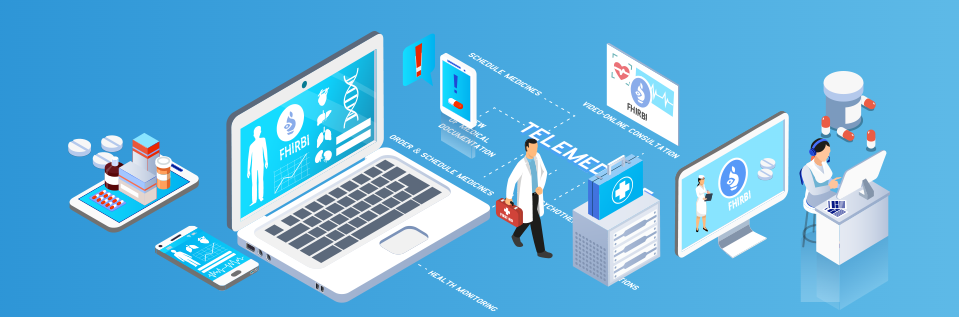
ASSYST has long invested in this vision. As an early adopter and implementer of HL7®, FHIR®, and NCPDP standards, the company built interoperability solutions long before they became federal mandates. That commitment took shape in Hephaestus, ASSYST’s FHIR-native application Platform-as-a-Service (aPaaS), which enables real-time, standards-aligned data exchange across health systems, agencies, and applications.
Today, ASSYST supports national interoperability initiatives including the ONC Interoperability Standards Advisory (ISA), Electronic Prescribing (eRx), and Real-Time Prescription Benefit (RTPB)—making health information more accessible, meaningful, and secure for patients, providers, and programs.
But delivering wellness also means protecting what matters. As a trusted Cybersecurity Provider for CMS, ASSYST secures vital infrastructure and sensitive systems that serve tens of millions of Americans. Through solutions like the Security Data Lake, ASSYST provides real-time risk visibility, governance enforcement, and proactive protection at a national scale.
To further humanize access and reduce complexity, ASSYST is integrating Agentic AI—policy-aware digital agents that assist with secure data discovery, context-based compliance, and intelligent workflow automation. These AI capabilities are part of the company’s broader Green Accelerator initiative, which brings together cybersecurity, interoperability, and AI in a mission-aligned framework for government innovation.

Vijay Narasimhan, Chief Technology Officer at ASSYST, added:
“Wellness starts with access. But trust is what sustains it. The systems we build must not only interoperate—they must anticipate needs, adapt to policy, and center the human experience.”
ASSYST’s work spans CMS, CDC, FDA, HRSA, and several global public health programs—supporting efforts to modernize infrastructure, enable equitable data exchange, and elevate care through secure, standards-based technologies. Across it all, the mission remains the same: to support wellness, not just workflows.
“Digital health is no longer a back-office function,” said Shirke. “It’s a public service—and it must be built with the same care, empathy, and precision we ask of our caregivers.”
Vinay Shirke: https://www.assyst.net/team/vinay-v-shirke
Vijay Narasimhan: https://www.assyst.net/team/vijay-narasimhan